The Narrow
Band

Most listed this season
- 1
 Saga of Tanya the Evil II
- 2
 Mushoku Tensei: Jobless Reincarnation Season 3
- 3
 Puella Magi Madoka Magica the Movie -Walpurgisnacht: Rising-
- 4
 Sparks of Tomorrow
- 5
 Smoking Behind the Supermarket With You
- 6
 Trapped in a Dating Sim: The World of Otome Games Is Tough for Mobs Season 2
- 7
 BLEACH: Thousand-Year Blood War Part 4 - The Calamity
- 8
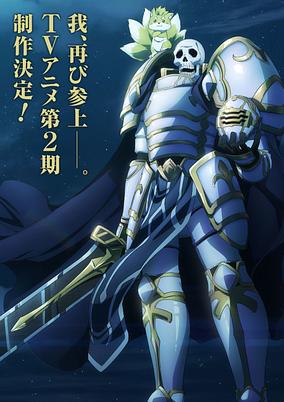 Skeleton Knight in Another World Season 2
- 9
 BLACK TORCH
- 10
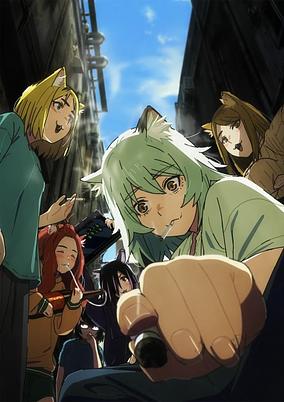 Chainsmoker Cat
- 11
 THE GHOST IN THE SHELL
- 12
 Clevatess: The King of Devil Beasts Season 2
Most of this season has no score at all. The rest sit in a band so narrow that telling two shows apart by it is mostly wishful thinking.
How much of the season is blank
—
—
Every score, drawn on the scale it claims to use
Scores here run 0 to 100. That is the axis below, all of it. The columns are the titles that have a score, one column per whole point.
—
The ones that do have a score
—
What it takes to get a score at all
—
—
What the word “season” is counting
—
—
The audience decides whether there is a score, not what it says
—
—
How this page was built
- The scores are Kitsu’s average rating, on its own 0–100 scale, read at the timestamp in the top right. They are an average of what that site’s users typed in, which is not the same thing as a review and not the same population as the people watching in Japan.
- A missing score is left missing. We do not fill it with a zero, an average or a guess. How much of a season arrives with no score is one of the two things this page is about, and any filled-in value would erase it.
- Percentages are taken against both denominators, deliberately. “Eleven of forty-one clear the bar” and “eleven of a hundred and forty-four clear the bar” are both true and they feel completely different. Quoting only the first is the ordinary way this kind of number gets oversold.
- The axis is drawn 0 to 100 rather than cropped to where the data sits. Cropping would fill the picture edge to edge and make an eighteen-point spread look like the whole range — the numbers would still be true and the picture would still be a lie.
- Every figure here is computed in your browser from the same rows the airing list uses, which are written into this page’s source at build time. Nothing is fetched while you read, and nothing about you is measured.
- A score built on a handful of ratings is not a measurement. This page cannot see how many people rated each title, so a score with twenty voters and one with twenty thousand sit in the same column. Treat the band as a fact about the scale, not as a ranking of the shows.
- “Listings” is not “ratings.” The last three sections weigh titles by how many people have them on a list, because that is the only audience figure in the data. It is a different count from how many people left a score, and nothing on this page can separate the two. Where that distinction would change a conclusion, the section says so rather than quietly leaning on it.
Elsewhere on the index
- 1Saga of Tanya the Evil II4,654
- 2Mushoku Tensei: Jobless Reincarnation Season 33,345
- 3Puella Magi Madoka Magica the Movie -Walpurgisnacht: Rising-2,633
- 4Sparks of Tomorrow2,212
- 5Smoking Behind the Supermarket With You1,897
- 6Trapped in a Dating Sim: The World of Otome Games Is Tough for Mobs Season 21,828
- 7BLEACH: Thousand-Year Blood War Part 4 - The Calamity1,314
- 8Skeleton Knight in Another World Season 21,120
- 9BLACK TORCH1,086
- 10Chainsmoker Cat1,084
- 11THE GHOST IN THE SHELL1,069
- 12Clevatess: The King of Devil Beasts Season 21,068
- 13I Want to Love You Till Your Dying Day1,018
- 14Young Ladies Don’t Play Fighting Games991
- 15Tsuihou Sareta Tensei Juukishi wa Game Sashiki de Musou Suru981
- 16From Old Country Bumpkin to Master Swordsman Season 2912
- 17You and I Are Polar Opposites Season 2903
- 18Jaadugar: A Witch in Mongolia868
- 19From Overshadowed to Overpowered: Second Reincarnation of a Talentless Sage822
- 20Goodbye, Lara808
- 21Grand Blue Season 3774
- 22The Villager of Level 999754
- 23Though I Am an Inept Villainess: Tale of the Butterfly-Rat Body Swap in the Maiden Court741
- 24Mebius Dust732
- 25The Cat and the Dragon686
- 26The 100 Girlfriends Who Really, Really, Really, Really, REALLY Love You Season 3684
- 27Kaiju Girl Caramelise666
- 28Oh Boy, Was I Wrong About Her617
- 29Koko wa Ore ni Makasete Saki ni Ike to Ittekara 10-nen ga Tattara Densetsu ni Natteita.611
- 30HELL MODE: The Hardcore Gamer Dominates in Another World with Garbage Balancing Season 2608
- 31Love Unseen Beneath the Clear Night Sky605
- 32Dogul Wang604
- 33Ryoumin 0-Nin Start no Henkyou Ryoushu-sama557
- 34The Elusive Samurai Season 2545
- 35Rich Girl Caretaker: I'm Secretly the Caregiver of the Most Popular Girl in This Rich Kid School535
- 36The World's Strongest Rearguard: Labyrinth Country's Novice Seeker509
- 37A Livid Lady’s Guide to Getting Even: How I Crushed My Homeland with My Mighty Grimoires507
- 38The Insipid Prince's Furtive Grab for the Throne481
- 39Heroine? Seijo? Iie, All Works Maid desu (Ko)!471
- 40The Oblivious Saint Can't Contain Her Power468
- 41Link Click Season 3450
- 42Hanaori-san wa Tensei Shite mo Kenka ga Shitai438
- 43The Ogre's Bride400
- 44ONE PIECE HEROINES392
- 45The World Is Dancing387
- 46Dara-san of Reiwa377
- 47My Hero Academia: I am a hero too339
- 48Victoria of Many Faces338
- 49The Forsaken Saintess and Her Foodie Roadtrip in Another World334
- 50Red River329
- 51My Mother-in-Law and Sister-in-Law Who Don't Bully Me.304
- 52Draw this, then die!282
- 53Magilumiere Magical Girls Inc. Season 2268
- 54Lord of Mysteries Specials260
- 55"Kimi wo Aisuru Ki wa nai" to Itta Jiki Koushaku-sama ga Naze ka Dekiai Shitekimasu257
- 56Shiboyugi: Playing Death Games to Put Food on the Table: 44 - Cloudy Beach254
- 57THE RIBBON HERO252
- 58GROW UP SHOW -Sunflower Circus-251
- 59Iron Wok Jan210
- 60Please Excuse My Younger Brothers193
- 61Magical Girl Lyrical Nanoha EXCEEDS Gun Blaze Vengeance190
- 62Avatar Aang: The Last Airbender188
- 63BAKI-DOU: The Invincible Samurai Part 2186
- 64Let's Go Kaiki-gumi180
- 65AzurLane: Slow Ahead! Season 2165
- 66Hana-Kimi Season 2158
- 67Bang Dream! Yume∞Mita152
- 68Bungo Stray Dogs Wan! 2148
- 69Star Wars: Visions Presents - The Ninth Jedi138
- 70Recommendations from Iwamoto-Senpai132
- 71Crowned in a Hundred Days128
- 72Unanswered//butterfly: Sword Art Online110
- 73Saved by the Ice Cold Prince's Embrace81
- 74The Legend of Vox Machina Season 476
- 75Perfect Addiction72
- 76Thunder 369
- 77Dodgeball Girl Danko62
- 78Kimi to Hanabi to Yakusoku to56
- 79X-Men '97 Season 248
- 80Grotesqqque42
- 81My Adventures with Superman Season 339
- 82Detective Conan: The Gold-Star Answer39
- 83Bananya 10th Anniversary Special37
- 84Yoroi-Shinden Samurai Troopers Part 236
- 85Shin Keroro Gunsou Movie: Fukkatsushite Sokkou Chikyuu Metsubou no Kiki de Arimasu!29
- 86Chiikawa: Ningyo no Shima no Himitsu29
- 87Youjo Shenki 224
- 88One-Room TA23
- 89A Will Eternal Final Season22
- 90Raised by Demons: Panda Li22
- 91Patlabor EZY File 221
- 92Zombie Stage21
- 93Koutetsujou no Kabaneri: Mumei Ranman20
- 94Beyond Time's Gaze 2nd Season20
- 95A Record Of Mortal's Journey To Immortality 5th Season15
- 96Theatre of Darkness: Yamishibai 1714
- 97Pan no Akachan (TV)13
- 98Fabulous Beasts 612
- 99Chenghuang12
- 100Hokuto no Ken: Kenou-gun Zako-tachi no Banka 211
- 101Orion10
- 102I-Bull9
- 103Ushiro no Shoumen Kamui-san Mini Anime Gekijou9
- 104MUSE9
- 105All Wishes Come True9
- 106Let's Roll, Cinnamoroll! 29
- 107Big Brother Final Season9
- 108MAPPA 15th Anniversary Movie9
- 109To Be Winner8
- 110Rasen8
- 111BooooM!!!8
- 112Adventure Time: Side Quests8
- 113Sanzen Nenshou7
- 114SUPERNOVA SUPER GIRL7
- 115Aware! Meisaku-kun (2026)7
- 116Kyapi6
- 117Angry Rabbit6
- 118Golden Curse6
- 119Dragon Striker6
- 120FBKingdom Story5
- 121yumeiro wonder5
- 122I Found Me5
- 123Gum & Drop5
- 124We Will Rise Again5
- 125TOMICA & TOM Season 25
- 126Zhu Xian Final4
- 127Gimmick Gimmick Entertainment4
- 128Oshi Mode ON4
- 129Mystery of Chang'an4
- 130Kagami yo Kagami4
- 131Lovin'♡Rabbit4
- 13220024
- 133Tekken! Cartoon4
- 134Shooting Star3
- 135Re,bloom*3
- 136Takoyaki Gazing3
- 137Stardust Capsule3
- 138BANZAI☆MANKAI3
- 139NIGHTBREAK3
- 140Boom! Boom! Tropica Vacation3
- 141Haiiro no Shoumei3
- 142The Eternal Supreme, Li Yunxiao3
- 143Spotlight3
- 144Plannosaurus Gachi Koseibutsu-bu3
- 145Dirty Look3
- 146The Evil Sword GALDVAZAAG3
- 147Umm2
- 148Here Comes the CHADCAST2
- 149Godly Love: On Air1
- 150Matsuken Anime: Can I Pass Judgment on This?1
- 15120001 An Earth Odyssey1
- 152Machi mo, Hito mo, Suki ga Ugokasu.1